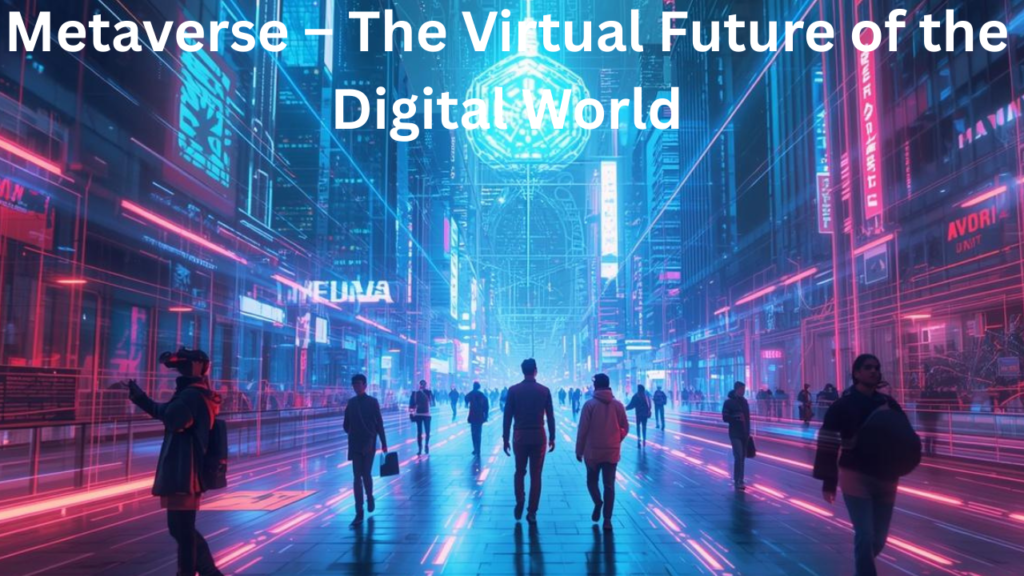
The concept of the Metaverse has rapidly evolved from science fiction into a powerful technological vision that could redefine how humans interact, work, learn, and entertain themselves. In recent years, the idea of a fully immersive digital universe has gained serious attention from global tech giants, investors, and developers. The Metaverse represents more than just virtual reality—it is the next evolution of the internet.
In this article, we will explore what the Metaverse is, how it works, the technologies behind it, its applications across industries, challenges it faces, and what the future may look like in a fully immersive digital world.
What Is the Metaverse?
The Metaverse is a shared, persistent, virtual space where users can interact with each other and digital environments in real time. It combines elements of:
- Virtual Reality (VR)
- Augmented Reality (AR)
- Artificial Intelligence (AI)
- Blockchain
- 3D digital environments
Unlike traditional internet browsing, the Metaverse allows users to “enter” digital spaces through avatars. Instead of viewing content on a screen, users experience immersive environments where they can socialize, work, shop, and play.
Tech companies like Meta have invested billions of dollars to develop virtual platforms and hardware, while Microsoft focuses on integrating Metaverse solutions into business and enterprise systems.
The Technologies Powering the Metaverse
The Metaverse is built on multiple advanced technologies working together.
1. Virtual Reality (VR)
VR headsets create immersive 3D environments that simulate physical presence. Users can explore digital worlds and interact naturally using motion tracking.
2. Augmented Reality (AR)
AR overlays digital information onto the real world through devices like smart glasses or smartphones.
3. Artificial Intelligence
AI enhances realism by powering avatars, digital assistants, and automated systems inside virtual worlds.
4. Blockchain and Digital Assets
Blockchain technology enables secure digital ownership of virtual goods through cryptocurrencies and NFTs.
5. High-Speed Connectivity
Technologies like 5G ensure smooth and lag-free experiences in large shared virtual environments.
Applications of the Metaverse
1. Virtual Social Interaction
The Metaverse allows people from different parts of the world to meet in immersive digital spaces. Instead of video calls, users can interact through avatars, attend virtual events, and explore digital landscapes together.
Virtual concerts, conferences, and exhibitions are already becoming popular.
2. Business and Remote Work
Companies are exploring virtual offices where employees can collaborate in 3D workspaces. Microsoft has developed virtual meeting platforms that enhance remote collaboration using immersive technology.
The Metaverse could reduce travel costs and create more interactive global workplaces.
3. Education and Training
Students can attend virtual classrooms, explore historical events in 3D simulations, or conduct science experiments in safe digital labs.
Medical students, for example, can practice surgeries in realistic simulations without risk.
4. Gaming and Entertainment
Gaming is currently the most developed sector within the Metaverse. Players can:
- Build digital worlds
- Trade virtual assets
- Participate in multiplayer environments
- Attend live virtual events
Immersive entertainment experiences are expected to grow rapidly.
5. Digital Commerce
The Metaverse introduces virtual marketplaces where users can buy:
- Digital clothing for avatars
- Virtual real estate
- NFTs
- Digital art
Brands are exploring virtual stores where customers can browse and purchase products in 3D environments.
Economic Opportunities in the Metaverse
The Metaverse is expected to generate trillions of dollars in economic value over the next decade.
New job roles may include:
- Virtual architects
- Avatar designers
- Digital asset creators
- Virtual event managers
- Metaverse developers
Companies like Meta are building hardware such as VR headsets and investing heavily in immersive digital platforms to lead this transformation.
Challenges Facing the Metaverse
Despite its enormous potential, the Metaverse faces several challenges.
1. Privacy and Data Security
Virtual environments collect large amounts of personal data, including behavior patterns and biometric information. Protecting user privacy will be critical.
2. Digital Addiction
Spending excessive time in immersive virtual worlds could impact mental health and real-world social interaction.
3. High Costs
VR devices and advanced hardware remain expensive, limiting accessibility for many users.
4. Regulation and Governance
Who controls the Metaverse? Governments and organizations must address questions related to digital property rights, taxation, and online safety.
Is the Metaverse the Future of the Internet?
Many experts believe the Metaverse represents Web 3.0—the next stage of internet evolution. Instead of browsing websites, users may navigate immersive digital worlds.
However, the transition will likely be gradual. Traditional internet platforms and immersive environments will coexist for years.
The success of the Metaverse depends on:
- Technological advancements
- User adoption
- Regulatory clarity
- Affordable hardware
The Role of AI in the Metaverse
Artificial Intelligence plays a crucial role in making the Metaverse dynamic and interactive. AI can:
- Create realistic avatars
- Translate languages in real time
- Power intelligent NPCs (non-player characters)
- Personalize user experiences
Without AI, the Metaverse would feel static and limited.
Future Possibilities
In the coming years, the Metaverse could include:
- Fully immersive digital cities
- Virtual universities
- Global business hubs
- Advanced digital economies
- Mixed reality environments blending physical and digital worlds
Brain-computer interfaces may even allow users to interact with digital spaces using thoughts alone.
Conclusion
The Metaverse represents a bold vision of the future—one where digital and physical realities merge seamlessly. Companies like Meta and Microsoft are investing heavily to turn this vision into reality.
While challenges related to privacy, regulation, and accessibility remain, the Metaverse has the potential to revolutionize communication, business, education, and entertainment.
Whether it becomes the next version of the internet or evolves into something entirely new, one thing is certain: the Metaverse is shaping the future of digital interaction.