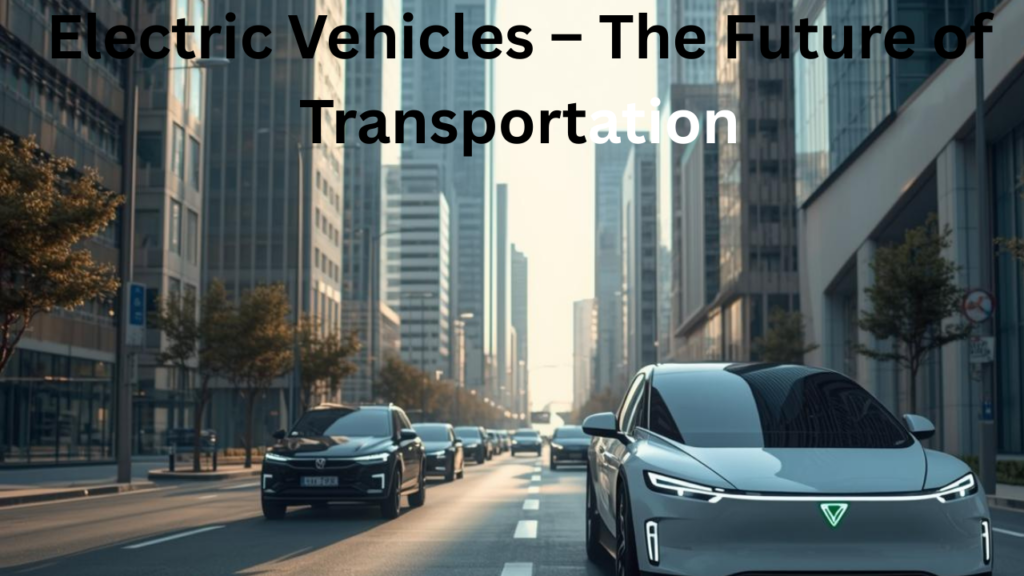
The global transportation industry is undergoing a historic transformation. As concerns about climate change, air pollution, and fossil fuel dependency continue to rise, Electric Vehicles (EVs) are emerging as the most promising solution for sustainable mobility. Once considered a niche market, EVs are now becoming mainstream, with millions of vehicles on roads worldwide.
Governments, automakers, and technology companies are investing billions into electric mobility. The shift toward EVs is not just about replacing gasoline engines—it represents a complete redesign of how transportation systems operate.
In this article, we will explore how electric vehicles work, their advantages, challenges, global adoption trends, and what the future holds for this rapidly growing industry.
What Are Electric Vehicles?
Electric Vehicles (EVs) are automobiles powered by electric motors instead of internal combustion engines (ICE). Instead of using gasoline or diesel, EVs run on electricity stored in rechargeable batteries.
There are three main types of electric vehicles:
- Battery Electric Vehicles (BEVs) – Fully electric, no fuel engine.
- Plug-in Hybrid Electric Vehicles (PHEVs) – Combine electric motor and fuel engine.
- Hybrid Electric Vehicles (HEVs) – Use both electricity and fuel but cannot be plugged in.
Companies like Tesla and BYD are leading the global EV market with innovative designs and advanced battery technologies.
How Electric Vehicles Work
EVs operate using a battery pack that stores electrical energy. This energy powers an electric motor, which drives the wheels.
Key components include:
- Battery pack
- Electric motor
- Power inverter
- Charging port
- Controller system
Unlike traditional engines, EVs have fewer moving parts, making them more efficient and requiring less maintenance.
Environmental Benefits of EVs
One of the biggest reasons for the rise of EVs is their environmental advantage.
1. Zero Tailpipe Emissions
EVs produce no direct emissions, reducing air pollution in cities.
2. Reduced Greenhouse Gases
When charged using renewable energy sources like solar or wind, EVs significantly lower carbon footprints.
3. Energy Efficiency
Electric motors convert more energy into motion compared to internal combustion engines.
As countries push toward net-zero carbon goals, EV adoption is becoming a key strategy.
Economic Advantages
1. Lower Fuel Costs
Electricity is generally cheaper than gasoline, reducing operating expenses.
2. Reduced Maintenance
EVs do not require oil changes or complex engine repairs.
3. Government Incentives
Many governments offer tax credits, rebates, and subsidies to encourage EV adoption.
Over time, these cost benefits make EVs financially attractive to consumers.
Charging Infrastructure Expansion
A major factor influencing EV growth is charging infrastructure.
There are three main types of chargers:
- Level 1 (Home Charging) – Standard household outlet.
- Level 2 (Public and Home Fast Charging) – Faster than Level 1.
- DC Fast Charging – Rapid charging in minutes instead of hours.
Companies and governments are rapidly expanding charging networks to eliminate “range anxiety,” the fear that a vehicle will run out of charge before reaching a station.
Battery Technology Advancements
Battery innovation is the heart of EV development. Modern EVs use lithium-ion batteries, but researchers are working on:
- Solid-state batteries
- Faster charging solutions
- Longer battery lifespan
- Improved energy density
Companies like Tesla continue to invest heavily in battery research to increase driving range and reduce production costs.
Autonomous and Smart Features
Electric vehicles often integrate advanced technologies such as:
- AI-powered driver assistance
- Over-the-air software updates
- Smart navigation systems
- Regenerative braking
EVs are becoming more like smart computers on wheels, combining clean energy with digital innovation.
Global Adoption Trends
EV adoption is accelerating worldwide.
- Europe is implementing strict emission regulations.
- China leads in EV production and sales.
- The United States is expanding infrastructure investments.
BYD has become one of the world’s largest EV manufacturers, especially dominating the Asian market.
As battery prices fall and infrastructure improves, EV sales are expected to continue rising rapidly.
Challenges Facing Electric Vehicles
Despite strong growth, EVs still face challenges.
1. Charging Infrastructure Gaps
Rural and developing areas may lack sufficient charging stations.
2. Battery Production Costs
Although decreasing, batteries remain expensive.
3. Raw Material Supply
Lithium, cobalt, and nickel mining raises environmental and ethical concerns.
4. Grid Capacity
Increased EV adoption may put pressure on national power grids.
Addressing these challenges will require global cooperation and innovation.
The Role of Renewable Energy
The true environmental potential of EVs depends on clean electricity sources.
When EVs are charged using solar, wind, or hydro power, the overall carbon impact is significantly reduced. Some companies are integrating EV charging stations with renewable energy systems for maximum sustainability.
The Future of Electric Mobility
The future of transportation is likely to be electric, connected, and autonomous.
We can expect:
- Longer-range batteries
- Ultra-fast charging
- Smart charging networks
- Vehicle-to-grid (V2G) technology
- Fully autonomous electric fleets
Electric buses, trucks, and even airplanes are already being developed.
Will EVs Replace Gasoline Cars Completely?
While internal combustion engines may not disappear immediately, many countries have announced plans to ban new gasoline car sales within the next decade or two.
The shift will likely be gradual but inevitable as:
- Technology improves
- Costs decrease
- Environmental policies strengthen
- Consumer awareness grows
Conclusion
Electric Vehicles represent more than just a new type of car—they symbolize a global shift toward cleaner, smarter, and more sustainable transportation.
Companies like Tesla and BYD are driving innovation and accelerating adoption worldwide.
While challenges such as infrastructure and battery production remain, the long-term outlook for electric mobility is extremely promising.