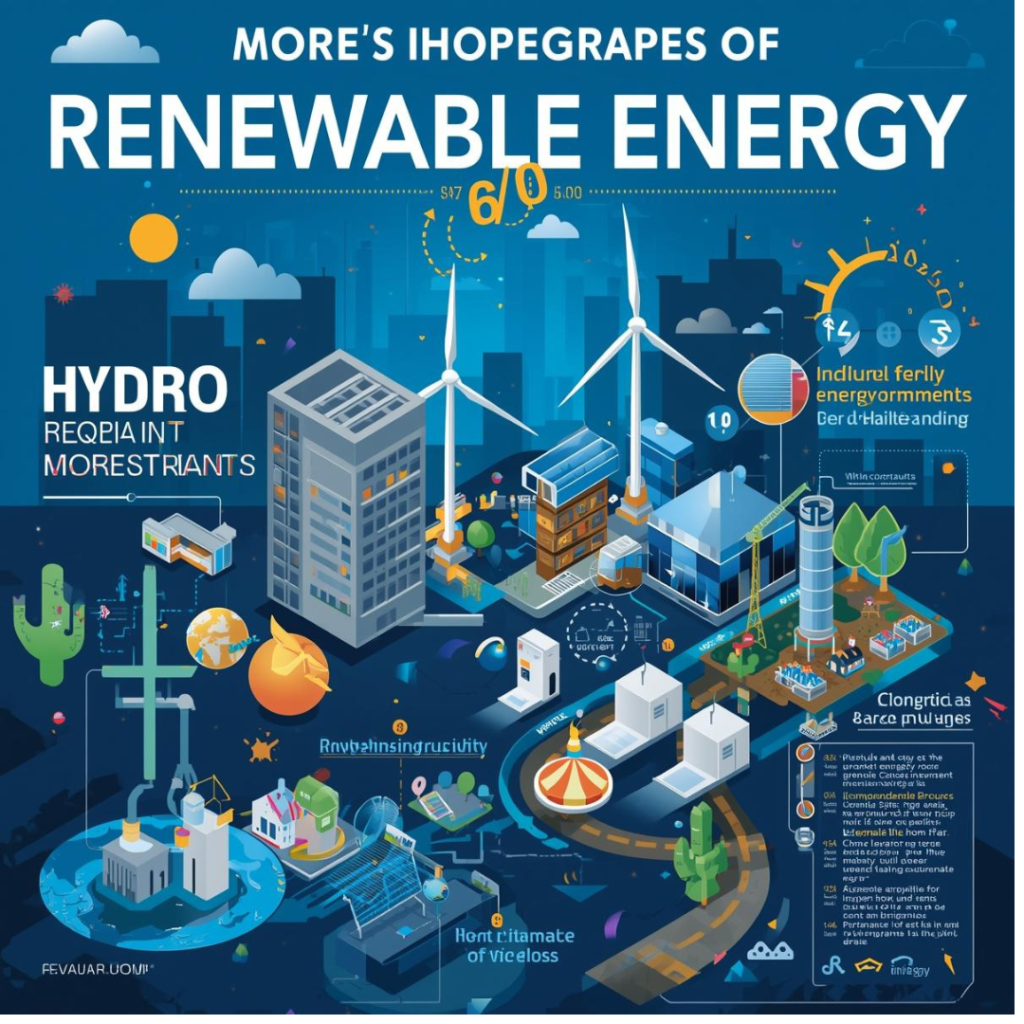
As the world grapples with climate change, environmental degradation, and the depletion of fossil fuels, renewable energy has emerged as a critical solution for a sustainable future. Renewable energy harnesses natural resources that are replenished constantly, such as sunlight, wind, water, and geothermal heat, to generate electricity and power industries, homes, and transportation.
In this article, we will explore the types of renewable energy, their applications, benefits, challenges, and how they are shaping the future of global energy.
What Is Renewable Energy?
Renewable energy refers to energy derived from natural sources that are naturally replenished and virtually inexhaustible. Unlike fossil fuels, which emit greenhouse gases and contribute to climate change, renewable energy provides cleaner, more sustainable alternatives.
Major types include:
- Solar energy – Harnessing sunlight through photovoltaic (PV) panels or solar thermal systems.
- Wind energy – Converting wind flow into electricity using turbines.
- Hydropower – Generating power from flowing or falling water.
- Geothermal energy – Utilizing heat from the Earth’s core.
- Biomass energy – Producing energy from organic materials like wood, crop waste, or algae.
Companies like NextEra Energy and Vestas are leading the global renewable energy sector.
Solar Energy
How It Works
Solar panels convert sunlight into electricity using photovoltaic cells. Concentrated solar power (CSP) systems use mirrors to focus sunlight to produce heat, which generates electricity.
Applications
- Residential rooftops
- Commercial buildings
- Utility-scale solar farms
- Solar-powered devices and vehicles
Benefits
- Abundant and renewable source
- Reduces electricity bills and carbon footprint
- Low maintenance and scalable
Solar energy has become one of the fastest-growing sources of electricity worldwide.
Wind Energy
How It Works
Wind turbines convert kinetic energy from the wind into mechanical energy, which is then transformed into electricity. Modern turbines are designed for maximum efficiency and minimal environmental impact.
Applications
- Large-scale wind farms onshore and offshore
- Distributed small wind systems for homes or communities
Benefits
- Clean, renewable, and cost-effective
- Generates electricity without emissions
- Can complement other renewable sources
Countries with strong wind resources, like Denmark and the United States, are investing heavily in wind power.
Hydropower
How It Works
Hydropower uses flowing or falling water to spin turbines connected to generators, producing electricity. Large dams, rivers, and small-scale hydro systems all contribute to energy generation.
Applications
- Utility-scale dams
- Run-of-river systems for local communities
- Pumped storage for energy management
Benefits
- Reliable and consistent energy source
- Supports water management and irrigation
- Can provide grid stability
Hydropower remains one of the largest renewable energy contributors globally.
Geothermal Energy
How It Works
Geothermal energy taps heat from beneath the Earth’s surface to generate electricity or provide heating. This energy is highly sustainable and available year-round.
Applications
- Geothermal power plants
- District heating systems
- Direct heating for industrial and residential use
Benefits
- Low carbon emissions
- Reliable and continuous power supply
- Minimal land footprint
Iceland and the Philippines are global leaders in geothermal energy utilization.
Biomass Energy
How It Works
Biomass energy is derived from organic materials, including agricultural waste, wood, and algae. The biomass is burned or converted into biofuels to generate electricity or heat.
Applications
- Bioelectricity plants
- Biofuel production for transportation
- Combined heat and power (CHP) systems
Benefits
- Reduces waste and supports circular economy
- Renewable and widely available
- Can reduce dependence on fossil fuels
Biomass offers flexibility and complements other renewable energy sources.
Benefits of Renewable Energy
- Environmental Sustainability: Reduces greenhouse gas emissions and pollution.
- Energy Security: Diversifies energy supply and reduces dependence on fossil fuels.
- Economic Growth: Creates jobs in manufacturing, installation, and maintenance.
- Cost Savings: Long-term electricity cost reduction due to low operating expenses.
- Innovation: Encourages development of new technologies like energy storage and smart grids.
Challenges and Limitations
Despite its benefits, renewable energy faces several challenges:
1. Intermittency
Solar and wind depend on weather and time of day, requiring storage or backup systems for consistent power.
2. High Initial Costs
Installation of renewable energy systems requires significant upfront investment.
3. Land and Environmental Impact
Large solar farms, wind turbines, and hydropower projects can affect ecosystems and local communities.
4. Energy Storage
Efficient storage solutions like batteries are needed to balance supply and demand.
The Role of Technology
Technological advancements are accelerating renewable energy adoption:
- Energy Storage Systems: Batteries store excess power for later use.
- Smart Grids: Manage energy distribution efficiently across networks.
- AI and IoT: Optimize generation, consumption, and maintenance.
- Hybrid Systems: Combine multiple renewable sources for reliability.
Companies like NextEra Energy are investing in advanced energy storage and grid integration solutions.
The Future of Renewable Energy
The transition to renewable energy is critical for a sustainable future. Trends include:
- Global shift toward net-zero carbon targets
- Expansion of offshore wind and solar projects
- Development of green hydrogen as an energy carrier
- Integration with electric vehicles and smart cities
- Advances in energy storage and efficiency
Renewable energy is set to become the backbone of global energy systems.
Conclusion
Renewable energy is not just a technological advancement—it is a global imperative. By harnessing resources like solar, wind, hydro, geothermal, and biomass, humanity can reduce reliance on fossil fuels, mitigate climate change, and create a sustainable, prosperous future.
Companies like NextEra Energy and Vestas are driving this transformation, demonstrating the potential of clean energy at scale.
While challenges such as intermittency, costs, and environmental impact exist, the long-term benefits of renewable energy far outweigh the limitations. The future is clean, sustainable, and powered by nature’s own resources.